Minimum wage increase in Missouri affects students with institutional pay
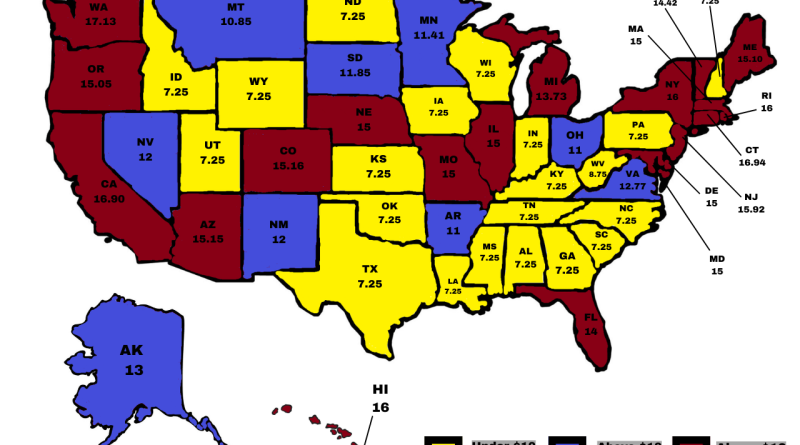
The minimum wage in Missouri increased from $12.30 to $15 starting with the new year. Students with institutional jobs and other minimum wage workers in Missouri received a wage increase of 22%.
An aspect of the workspace that may be impacted by this legislation is the number of hours that students with institutional jobs have to work, as this number may decrease. Students can expect to see this wage increase in their February payroll.
“The only thing this year that we may have to watch is budgets for student pay since they were set before we knew they were going up to $15 an hour, so there may have to be some adjustments in student hours,” said Melissa Garzanelli, director of Human Resources.
According to Laura Bates, the executive director of the Student Union and Campus Recreation, this wage increase affects other departments at Truman State University, and each one will have to examine it differently depending on their budgets.
Bates is working with her colleagues to provide a quality experience for those who work in the Student Union Building and Campus Recreation Center.
“In our departments, we’re examining where we have opportunities to reduce what I like to refer to as ‘enhancers,’” Bates said. “We’ve been having a lot of conversations on [our priorities],so we have data support to make sure we’re doing what we’re doing, and then looking where we make adjustments [from] here.”
Although sophomore and writing consultant Sally Embrey said she doesn’t personally know students who are struggling financially, she said students are generally happy with the increase.
Embrey said the increase could help students pay for groceries in a time when they may be struggling financially.
“I think it’s good to increase the minimum wage in Missouri because people are struggling with prices right now [due to] inflation,” Embrey said. “I think it’s good to give workers more wage, so they can provide for themselves more, and that goes for students as well since they’re one of those populations that are struggling to pay for school and groceries.”
Garzanelli said this is a step in the right direction, as other states have made similar changes.
“It’s generally the way we’re going nationally, so I think Missouri is keeping up with that trend,” Garzanelli said. “For the most part, I think it’s a good step.”