University Farms fights cold with safeguards
When the temperature begins to drop, Truman State University’s Thousand Hills Farm, more commonly known as the University Farm, takes multiple precautions to ensure the protection of both students and livestock.
Located about a mile and a half away from campus, the farm features 400 acres of land where students can grow crops, raise animals and conduct research. In order to keep students warm while working, Justin Wiles, farm manager, said there are multiple warming stations throughout the farm workers can step into. Wiles said all water sources are also heated, so no student has to bust ice in the middle of winter.
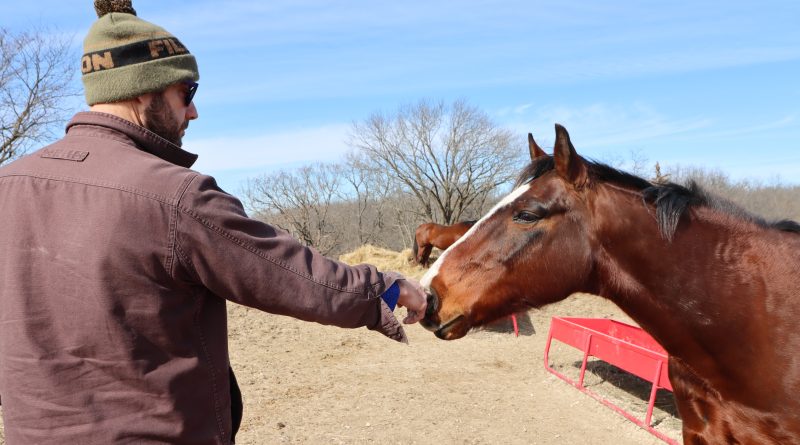
To keep a better eye on the animals, Wiles said the farm will bring them closer to where the workers are during the winter months. While Wiles said these animals, like cows, horses and pigs, are built for cold weather, if the temperature drops low enough, the farm will put out bedding to help them stay warm.
The farm is also equipped with safety shut-off valves, so if a line does freeze, Wiles said it would prevent other major incidents from occurring. Wiles said out of all resources available to animals, water is the most essential.
“If horses go even four or five hours without water, it’s serious,” Wiles said. “You could lose animals that way. We’re lucky that we have safe alerts in place so that animals will always have access to water. Even if something happens to their automatic waterers, we have procedures in place to get a tank and get water to that end. It’s really all about keeping water available.”
Since grass grows slower in the winter, Wiles said the farm will also feed the animals by throwing them bales of hay.
As a student worker on the farm, junior Brenna Fischer said she typically works on cleaning out the greenhouses and garden during the winter. Fischer said doing any repairs and tidying up the outside vegetation are also common. On top of that, Fischer also packages produce from the greenhouses to either sell to Sodexo or donate to the local food pantry.
Working outside means layering up, as Fischer said she typically wears anything from a hoodie and jeans to fleece-lined leggings and a coat. She also has thick gloves, hand warmers and winter boots at the ready, depending on how cold it would be outside.
“I work a landscaping job over the summer, and that can really suck when it’s like 100 degrees and like 90% humidity,” Fischer said. “I do think working in 50 degree weather is the sweet spot. But if I had to choose, I think I would still do the heat.”
As the secretary for the equestrian team, junior Gigi Ochoa said she often rides at the University Farm in both the indoor and outdoor facilities. However, Ochoa said that not all conditions are safe to ride in, and the team will often consider factors like wind chill, snow and temperature before deciding to ride.
While weather plays a role in riding, Ochoa said horse personality is important to factor in as well. Ochoa said the horses at the farm are similar to humans, as some are more likely to enjoy the cold and move around more than others.
Overall, Ochoa said it was important for students and community members to come out to the farm to learn more about what they do there.
“There are definitely a lot of misconceptions about how horses live and what we’re actually doing,” Ochoa said. “I feel like it’s important that people know we’re there so that they can ask more about it. In extension, they will get to know more about the farm and things that are happening there.”
The University Farm is open to all students every weekday to visit and learn more about the opportunities offered on-site.