Stargazing
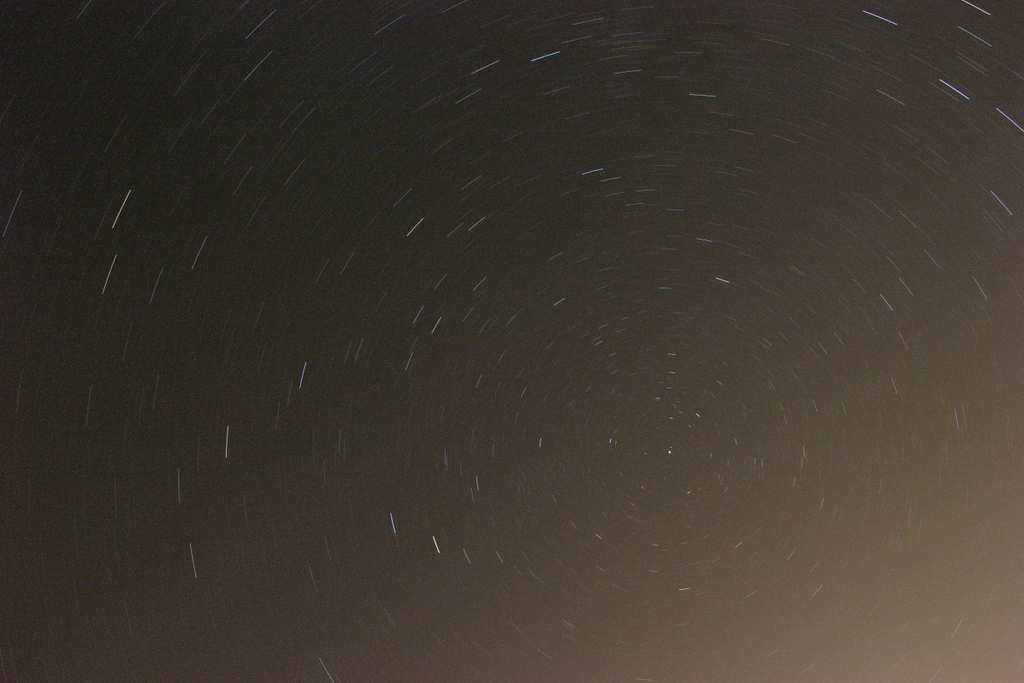
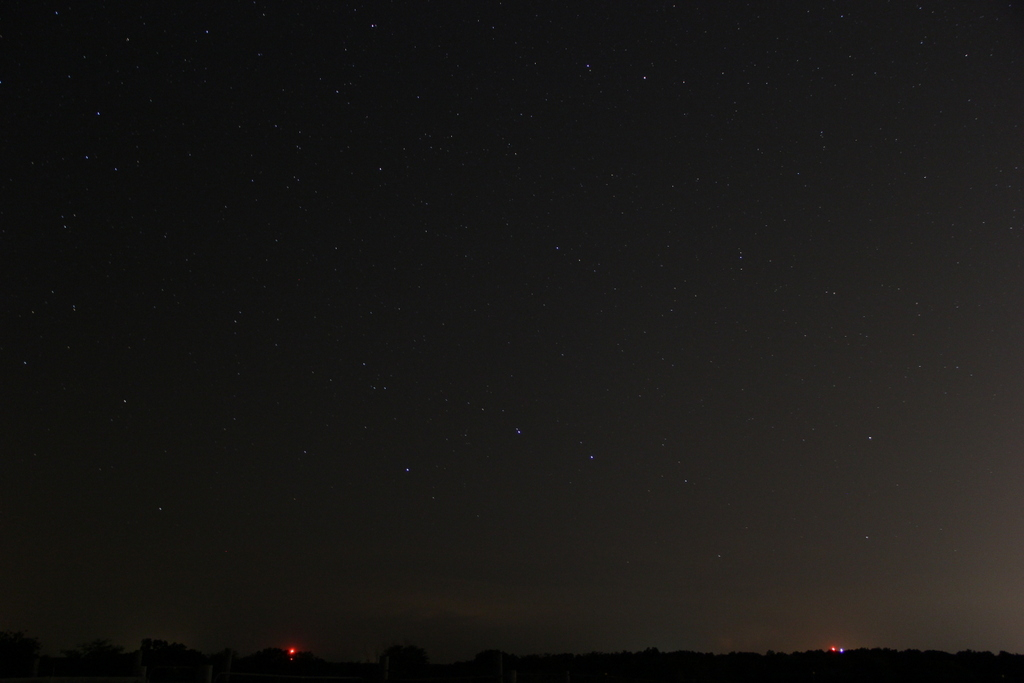
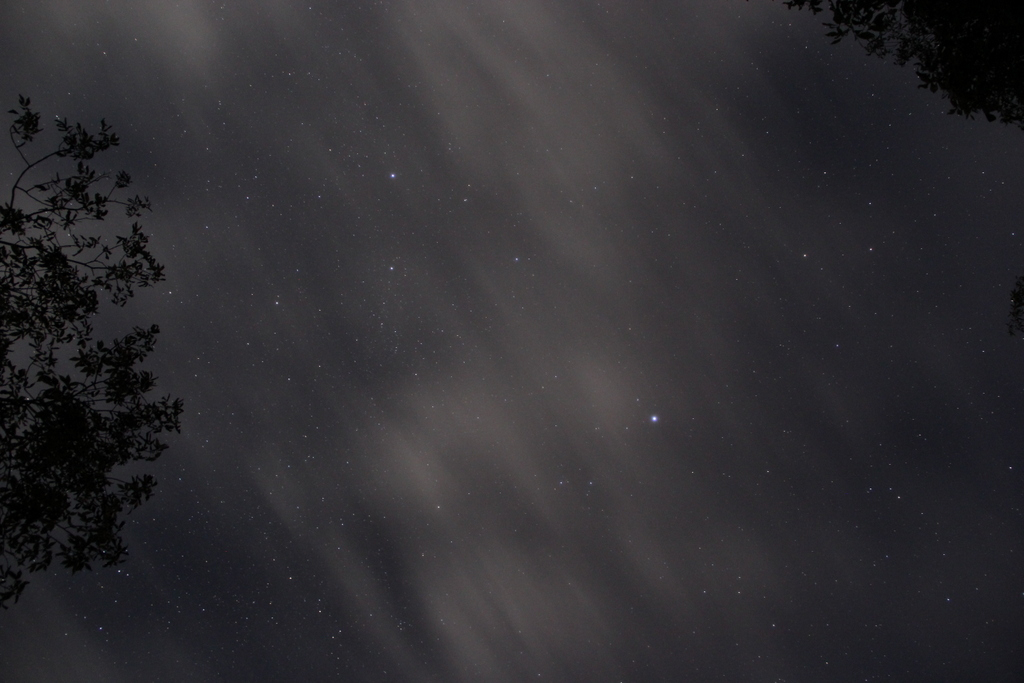
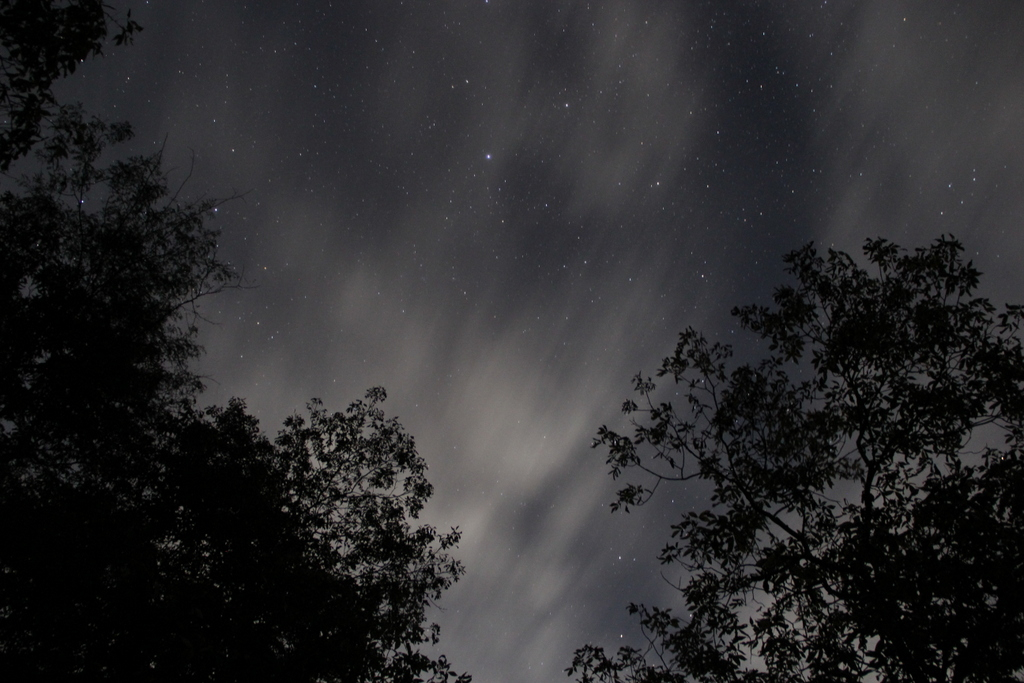
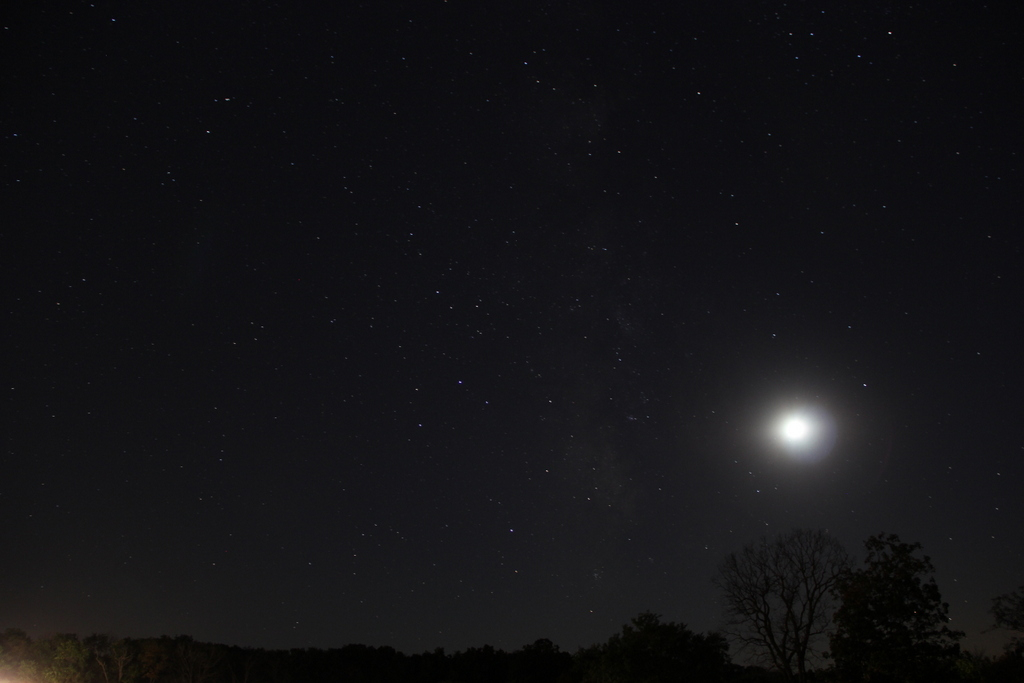
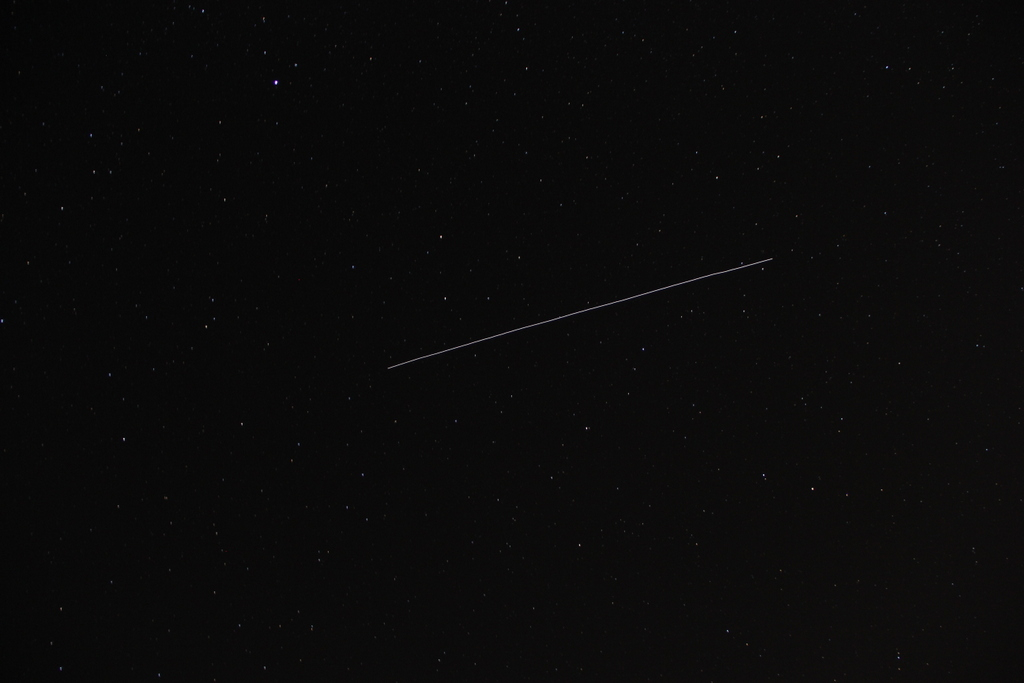
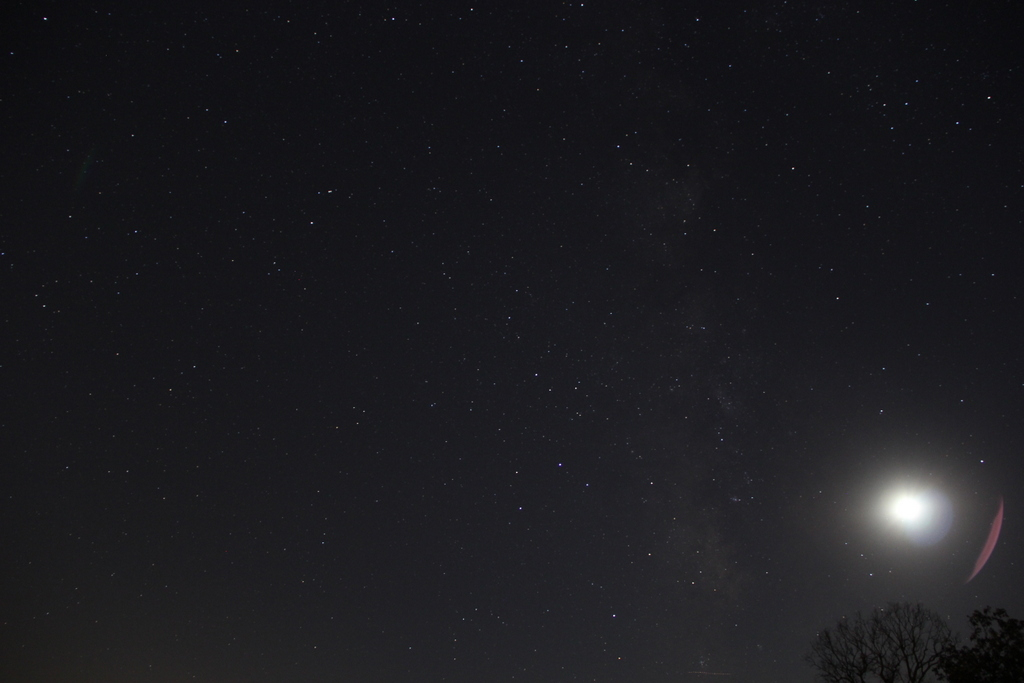
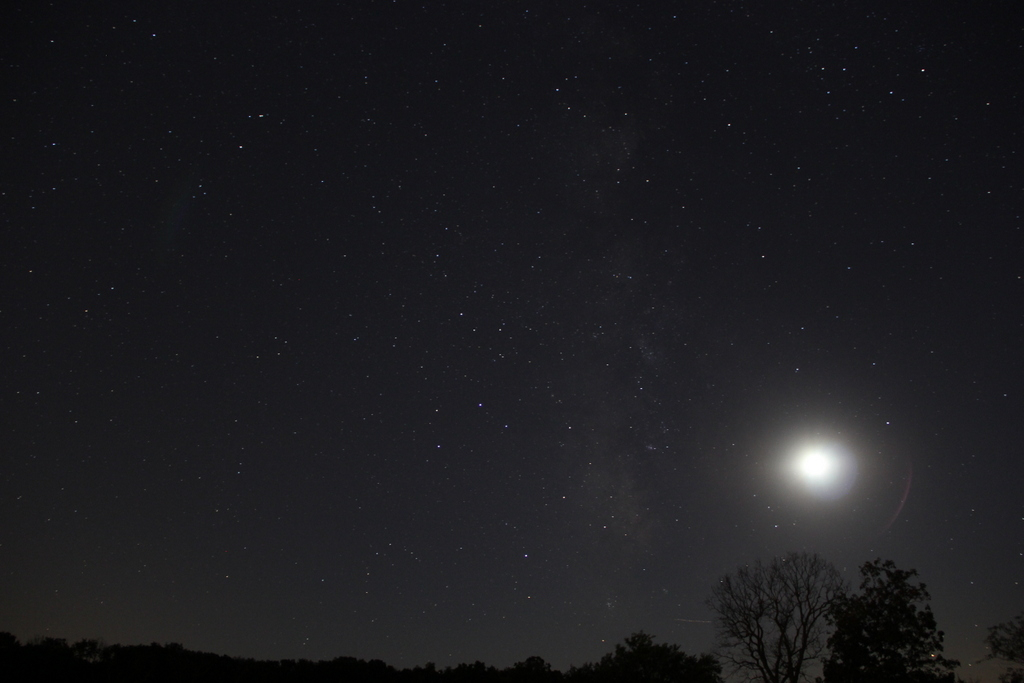
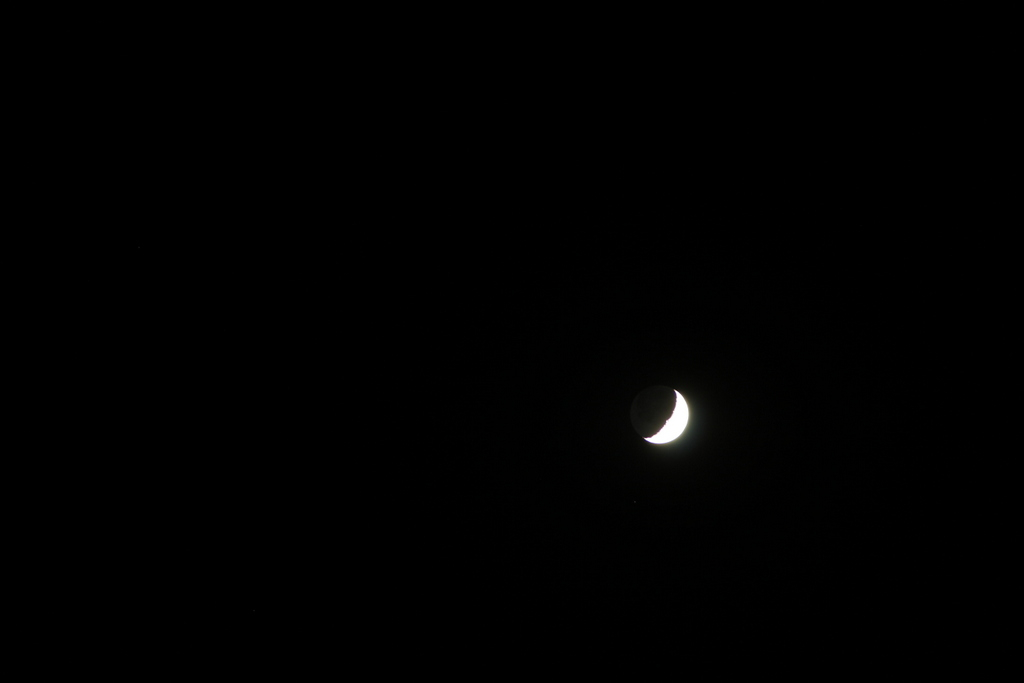
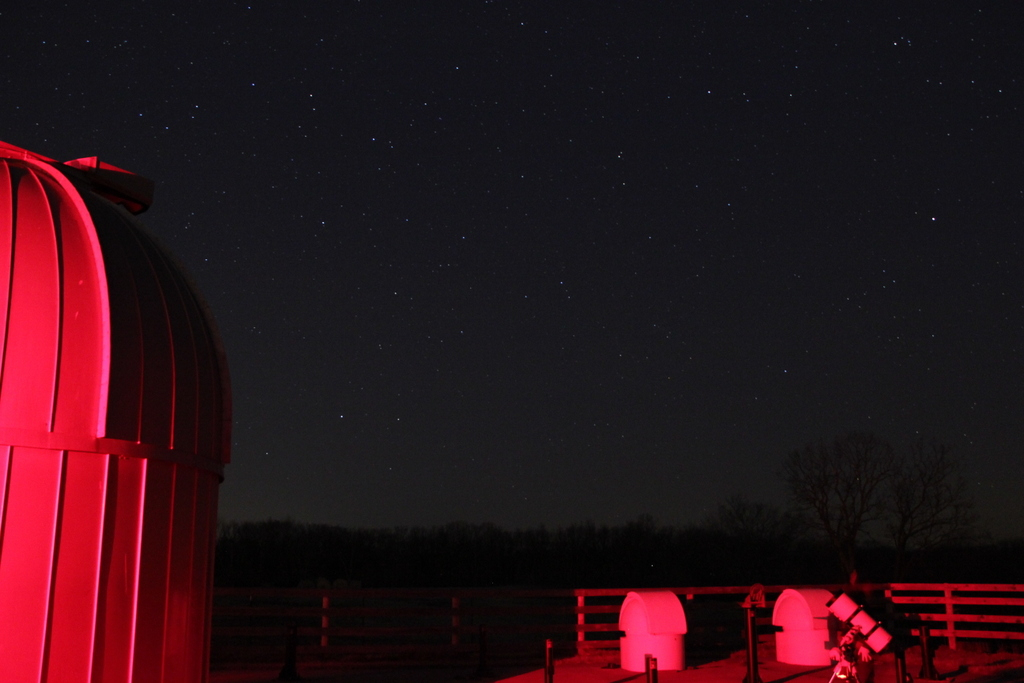
Some of the clearest places to view the stars are on vast stretches of highway or distant spots on the outskirts of cities. With its small towns and many miles of open road and quiet country, Adair County offers several secluded stargazing locations where travelers can breathe in the open air while enjoying an unobstructed view of the night sky.
Vayujeet Gokhale, biology professor at Truman State University in Kirksville, Mo., explains there are two types of stargazing. The first is looking at the sky with an unaided eye, or through binoculars and cameras. The second involves using equipment like telescopes that offer views of “deeper space” – regions where star clusters and nebulae become clearer through amplified lenses.
Regardless of the type, Gokhale says anyone should stargaze using a few rules of thumb.
Find the right location. Gokhale says his favorite spots to stargaze locally include the Truman State University Farm, any of the area train bridges, and some of the farms large enough for him to stay away from any houses or barn lights.
“Each of these locations has its advantage,” he explains. “At the University Farm, the skies are clear, and nothing blocks the stars, but it is close to Kirksville, so the city lights dilute the night sky. The train bridges are very dusty, but it’s a nice, dark location, which makes it one of my favorites. The farms in the area usually have clear locations away from city lights, or really lights of any kind, and if you can find a place on the farms with no trees around, that’s a very good place to go to.”
Nicholas Becker, the president of the Stargazing Club at Truman, suggests similar conditions.
“Once I hiked to the other side of Thousand Hills lake, just off of Rainbow Basin Trail,” he says. “There were a lot of lights out there, near the docks, and it was a long hike, but some of those lights are further away. It’s kind of cool to go out there in the middle of the night and sit by the side of the lake.”
Avoid light pollution. Cities and towns give off lights, and avoiding these maximizes the opportunity to pick out detail in the sky. Light pollution, especially from large cities, tends to dampen the brightness of stars. Stars that aren’t as bright fade away from view almost entirely in these conditions, which severely affects the stargazing experience.
“Usually the darker the location, the farther away from lights you are, the better off you are,” Gokhale says.
Finally, closer stars and the moon can block out the light from smaller stars in the sky, as the former two both give off a relatively brighter light than the latter, more distant stars.
Keep humidity in mind. Clouds and humidity have an adverse effect on viewing clarity.
“If it’s hazy, like if there’s humidity in the air, the objects in the sky are less clear,” Gokhale explains. “Usually you wouldn’t know until you tried to pick out detail because there are no clouds, but it only appears clear.”
Prepare. As with any adventure, protection is key, especially in winter. Gokhale and Becker both suggest warm clothes and a planned stargazing location. This minimizes the risk of trespassing and allows the stargazer to become familiar with the area ahead of time.
“Where you go depends on if you will be bringing a telescope, but either way I recommend staying warm,” Gokhale says. “Dress for the weather. You won’t be moving very much while stargazing, and since temperatures in towns are about five to six degrees warmer than outside of towns, it is very important to be prepared and bundle up. The most important part is being safe.”